

The digital transformation of the healthcare system is being spurred by telemedicine, artificial intelligence (AI) diagnostics, and the Internet of Medical Things (IoMT). While it is creating enhanced treatment paths for patients, it is placing unprecedented demands on data centers. No statistic makes that clearer than the fact that hospital networks now generate over 137 terabytes of data every day, which is about 30% of the world's total data volume.
The data wave is only going to become bigger. Healthcare data is expected to grow 36% annually. That’s more than the manufacturing, financial services, and media & entertainment sectors. To ensure data centers can support this high demand, IT teams and management at healthcare systems must implement test and monitoring strategies that address cloud-based solutions and regulatory compliance.
Challenges Facing Healthcare Data Centers
As mission-critical systems, healthcare networks must guarantee uninterrupted access to telehealth applications, such as diagnostic imaging and patient monitoring. The most pressing challenges include:
• Large Data Volume – Estimates indicate that healthcare data volume will be about 2.3 zettabytes in 2025. Data centers must accommodate the ever-increasing data with appropriate storage and processing.
• Rising Bandwidth Demands – Cloud-based imaging and high-definition video consultations require multi-gigabit throughput.
• Interoperability – Multiple technologies, such as Ethernet, cellular, and Bluetooth, are used in IoMT, which makes compatibility between those technologies imperative for successful operations.
• Security – Cyberattacks targeting healthcare organizations are increasing. Protecting the sensitive patient data being gathered and stored from the millions of medical devices is a top priority.
• Reliability – Telehealth is synonymous with mission-critical use cases. Network uptime must be 24/7/365 or patient safety can be threatened.
How the Cloud is Meeting Healthcare Needs
To address these challenges, networks are evolving. One adaptation is data center as a service (DCaaS), whereby healthcare systems contract with third-party providers. Like most modern networks, DCaaS utilizes cloud-based infrastructure. In fact, cloud computing is becoming the hub for patient data. Approximately 89% of healthcare organizations report they use cloud services in some capacity.
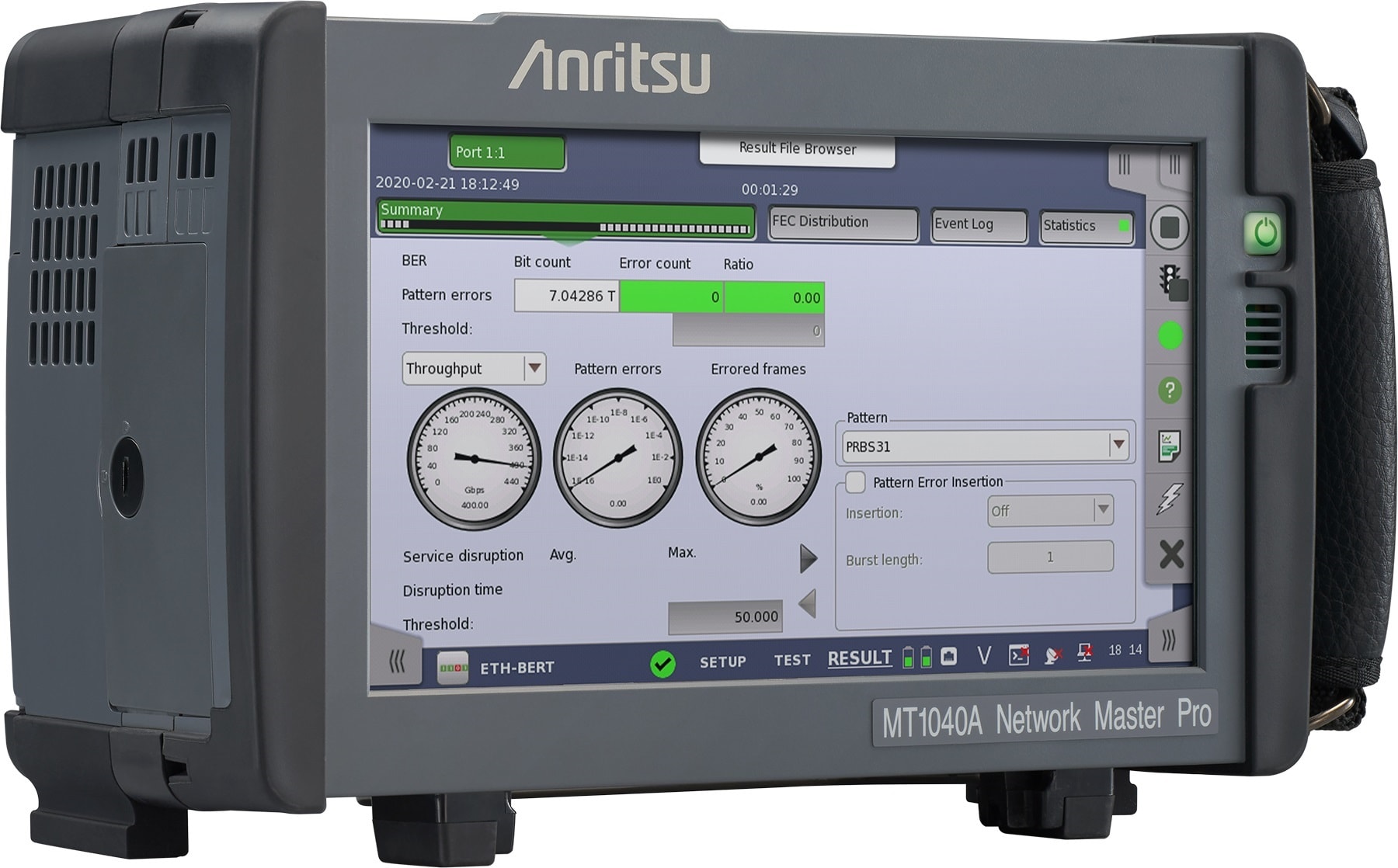 Figure 1: The MT1040A can validate and optimize cloud-based healthcare data centers.
Therefore, testing and validating cloud environments have become top priorities to ensure interoperability, maintain performance standards, and safeguard sensitive patient data. Test platforms, such as the Network Master™ Pro MT1040A (figure 1), are specifically designed to validate and optimize cloud-based healthcare data centers. Such solutions have specific capabilities, such as:
• Multi-cloud Validation – Certain testers, such as the MT1040A, can analyze compatibility and performance across multiple cloud environments, ensuring seamless interoperability.
• Performance Optimization – Healthcare organizations need test platforms that can monitor and analyze data flows to identify bottlenecks and optimize system performance.
• Interoperability Assurance – Dedicated test platforms ensure that diverse systems, applications, and devices are synergistic to prevent data centers from performing below specifications.
• Scalability Testing – To handle growing workloads and data demands, test solutions must evaluate how cloud architecture will scale to meet future requirements.
• Data Security – Advanced encryption validation and packet analysis need to be performed to safeguard sensitive patient information.
How Test Solutions Help Ensure Compliance
The last test capability is particularly important when monitoring healthcare data centers. Healthcare organizations handle vast amounts of sensitive patient information, making them prime targets for cyberattacks and data breaches. HIPAA and similar regulations mandate strict protocols for storing, transmitting, and securing patient-related data. Non-compliance can result in severe penalties and legal consequences. Data breaches can significantly damage the reputation of a healthcare system.
Advanced testing solutions minimize these risks and enhance operational efficiency. Testing and monitoring help maintain compliance and keep networks secure. Effective test platforms deliver tangible financial and operational benefits by validating encryption protocols, monitoring data flows, and making compliance reporting more efficient. Detailed reports can be created to validate adherence to regulatory standards, simplifying audits and inspections.
Compliance testing must take on a structured approach to maintain secure cloud-based healthcare data centers. Test solutions that work seamlessly with existing data center infrastructure are available. They can minimize downtime and maximize efficiency.

Figure 2: The MT9085 platform can be used to ensure standards and regulatory compliance.
Figure 2 shows the ACCESS Master MT9085, which is a prime example of a test platform that can ensure compliance. The compact handheld all-in-one tester validates encryption protocols, ensuring sensitive patient data remains secure during transmission and storage. Advanced packet analysis capabilities identify potential vulnerabilities in data flow to prevent breaches before they occur. Continuous monitoring ensures that data centers remain compliant despite new threats and vulnerabilities.
Learn How to Optimize Your Healthcare Network
Anritsu’s latest application note, Test Strategies to Optimize Healthcare Data Centers, provides insight into developing an effective approach to maintaining healthcare data centers. Download the full note.


